
Day 8: AI Applications in Healthcare
Welcome to Day 8 of our “AI for 30 Days” series! Today, we’ll explore the transformative applications of Artificial Intelligence (AI) in healthcare and how these technologies are revolutionizing medical diagnosis, treatment, and patient care.
Medical Imaging
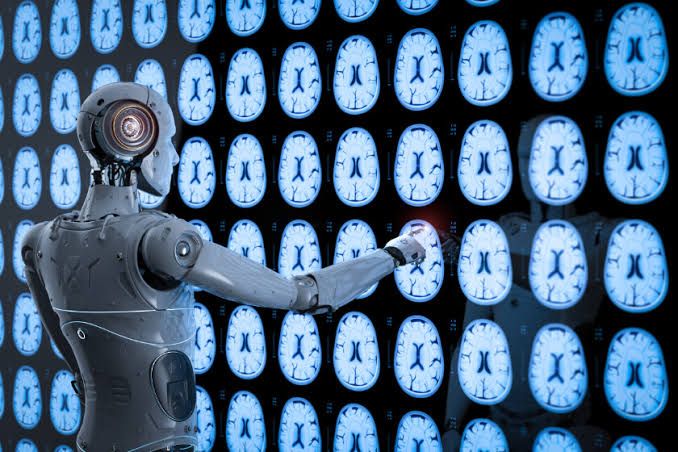
AI-powered medical imaging technologies are improving the accuracy and efficiency of diagnostic imaging procedures, enabling early detection and diagnosis of diseases such as cancer, cardiovascular conditions, and neurological disorders. Some key applications of AI in medical imaging include:
• Computer-Aided Diagnosis (CAD): AI algorithms analyze medical images, such as X-rays, MRIs, and CT scans, to assist radiologists in detecting abnormalities, identifying lesions, and making accurate diagnoses.
• Image Segmentation: AI algorithms segment medical images into regions of interest, allowing clinicians to visualize and analyze specific anatomical structures or pathological features with greater precision and detail.
• Image Reconstruction: AI techniques, such as deep learning-based image reconstruction, enhance the quality of medical images by reducing noise, artifacts, and motion blur, improving diagnostic accuracy and image interpretation.
Clinical Decision Support
AI-driven clinical decision support systems provide healthcare professionals with real-time insights, recommendations, and predictions to support clinical decision-making and improve patient outcomes. These systems leverage patient data, medical knowledge, and AI algorithms to:
• Predict Disease Risk: AI algorithms analyze patient data, such as electronic health records (EHRs) and genomic data, to assess disease risk, identify early warning signs, and recommend personalized interventions or preventive measures.
• Optimize Treatment Plans: AI-powered decision support systems help clinicians optimize treatment plans by providing evidence-based recommendations, predicting treatment responses, and identifying the most effective therapies for individual patients based on their unique characteristics and medical history.
• Monitor Patient Progress: AI algorithms monitor patient data in real-time, such as vital signs, lab results, and medication adherence, to detect changes in health status, alert clinicians to potential complications, and facilitate timely interventions to prevent adverse outcomes.
Drug Discovery and Development
AI technologies are accelerating the drug discovery and development process by leveraging computational models, predictive analytics, and high-throughput screening techniques to identify novel drug candidates, predict drug efficacy and safety, and optimize drug design. AI-driven approaches in drug discovery include:
• Virtual Screening: AI algorithms analyze large databases of chemical compounds to identify potential drug candidates with desired pharmacological properties and therapeutic targets, reducing the time and cost associated with traditional drug screening methods.
• Drug Repurposing: AI techniques identify existing drugs that may be repurposed for new indications or disease conditions based on their known pharmacological properties and molecular mechanisms of action, accelerating the discovery of novel treatments and reducing the risk of adverse effects.
• Precision Medicine: AI algorithms analyze patient data, such as genetic profiles, biomarker expression patterns, and clinical phenotypes, to identify subpopulations of patients who are likely to respond to specific treatments and develop personalized therapeutic strategies tailored to individual patient needs.
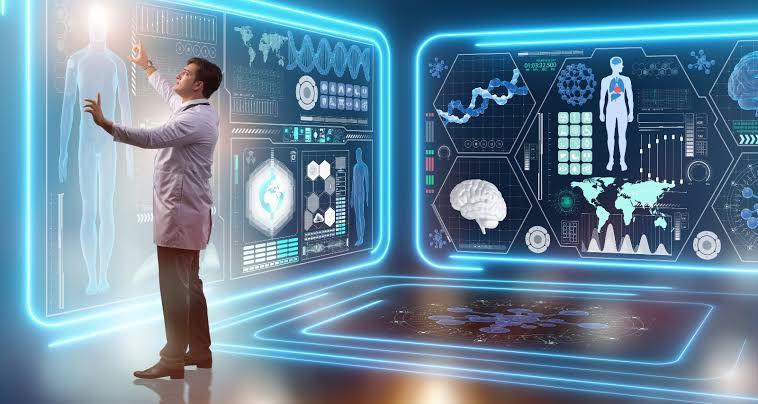
AI applications in healthcare are transforming the way we diagnose, treat, and manage diseases, leading to improved patient outcomes, reduced healthcare costs, and enhanced quality of care. As AI technologies continue to advance, we can expect to see even more groundbreaking innovations that revolutionize medical practice and reshape the future of healthcare delivery.
Join us tomorrow as we explore the role of Artificial Intelligence in finance and its impact on banking, investment, and financial services. Get ready to discover how AI is revolutionizing the financial industry and driving innovation in fintech!
“Artificial intelligence is not just a tool; it’s a new era of understanding, where machines learn to think and humans learn to innovate.”
 annonymousAsquare(aiBard)
Leave a comment