
code: GitHub
Building a Movie Recommendation System: A Comprehensive Guide
In the world of data science and machine learning, movie recommendation systems are a prime example of how algorithms can enhance user experience by suggesting content tailored to individual preferences. In this blog post, we’ll explore how to build a movie recommendation system using content-based filtering and weighted ratings. We’ll walk through the process step by step, including code snippets and explanations.
Introduction
Recommendation systems are crucial for platforms like Netflix, Amazon Prime, and Hulu. They analyze user preferences and behavior to suggest relevant content. In this post, we’ll focus on two key techniques:
- Content-Based Filtering: Suggests movies based on the features of the items and the user’s past behavior.
- Weighted Ratings: Enhances the recommendations by considering both the popularity and the rating of the movies.
Dataset
We’ll use two datasets:
tmdb_5000_movies.csv: Contains movie metadata such as genres, production companies, and overviews.tmdb_5000_credits.csv: Contains credits information including cast and crew.
Data Preparation
First, let’s load and prepare the datasets.
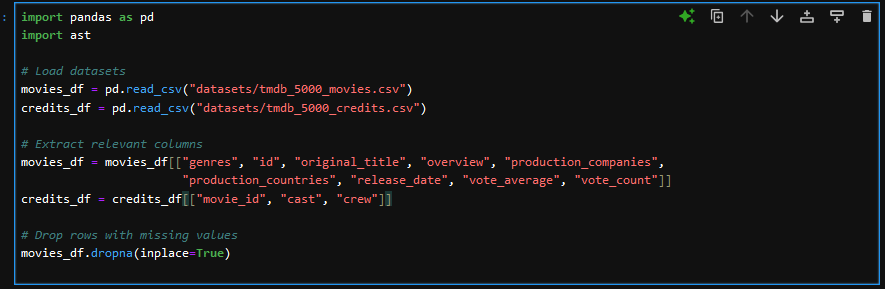
Feature Extraction
We need to extract meaningful features from the dataset, such as genres, production companies, and cast names.
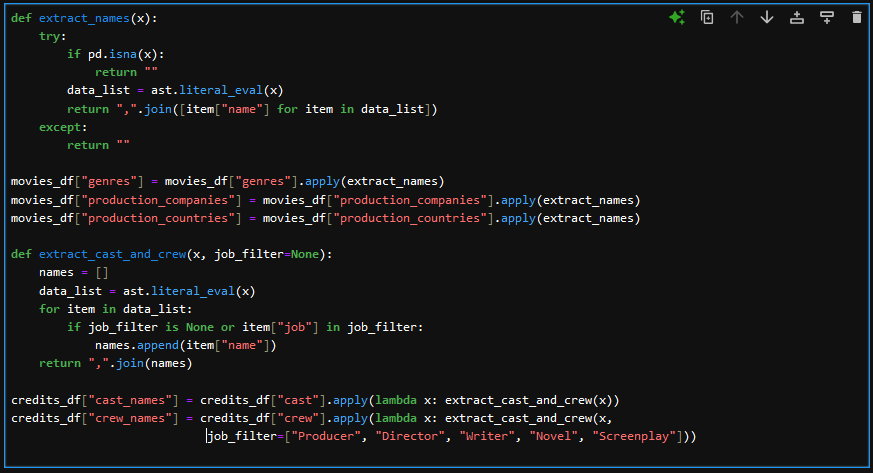
Merging Data
Combine the two datasets based on movie IDs.

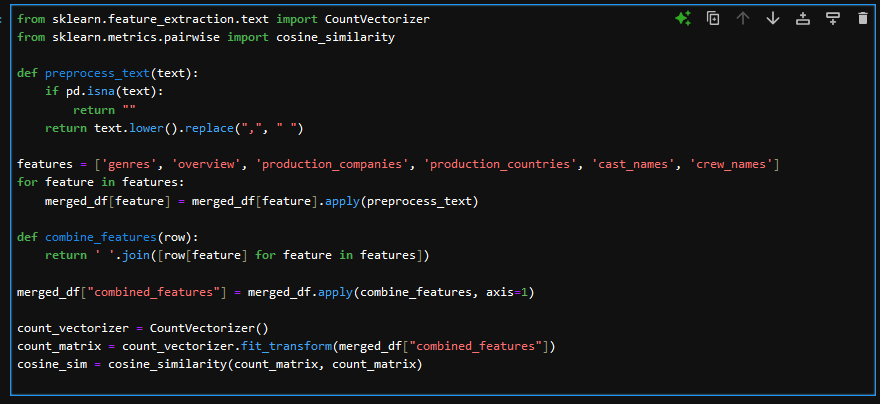
Content-Based Filtering
We’ll use the content-based filtering approach to recommend movies based on their features.
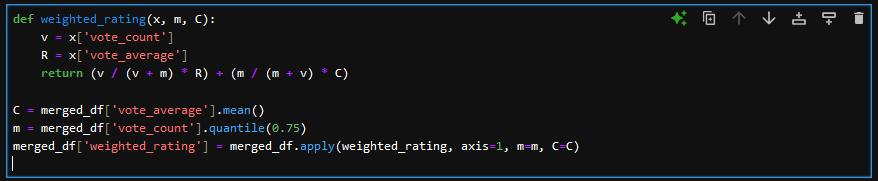
Weighted Ratings
Improve recommendations by adjusting for movie popularity and rating.
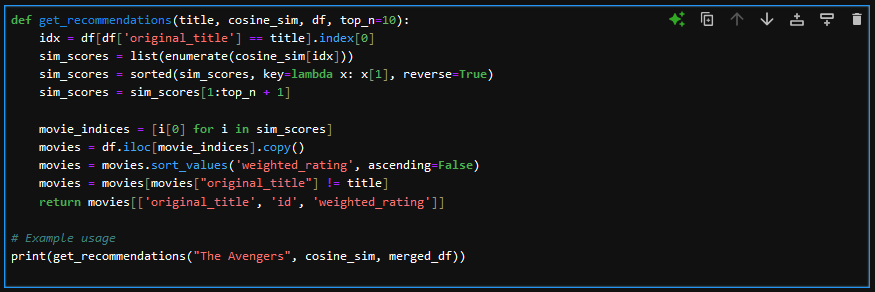
Recommendation Function
Combine content-based filtering with weighted ratings to make recommendations.
Web Application
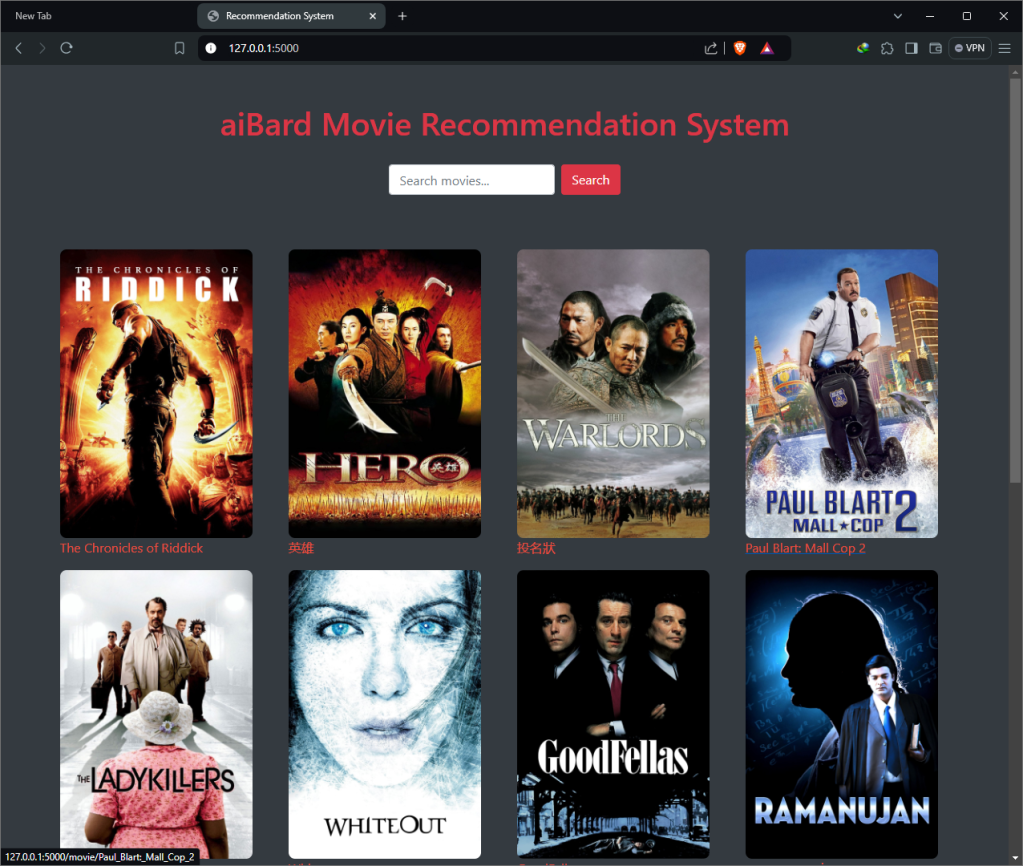
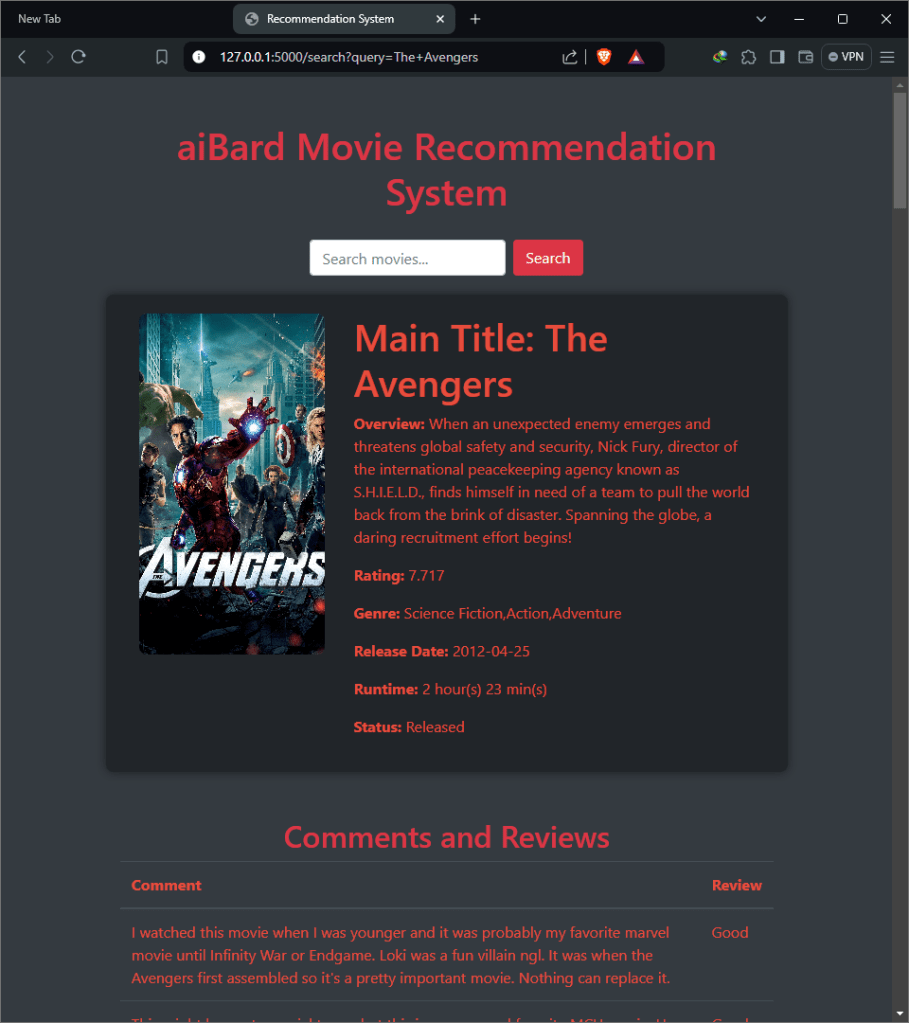
aiBard Movie Recommendation System! This system is designed to provide personalized movie suggestions based on user input. It integrates various features, including search functionality, movie details, recommendations, cast information, and user reviews, to offer a robust and engaging experience.
Tech Stack Overview
1. Web Scraping
Technology Used: Python with BeautifulSoup and Requests
Purpose: Collect movie reviews from IMDb to analyze user sentiment and preferences.
Process: Scrape, clean, and structure the data to ensure relevance and comprehensiveness.
2. Natural Language Processing (NLP)
Libraries Used: nltk for text processing, sklearn for feature extraction
Purpose: Preprocess and analyze textual data by removing stop words and converting text into numerical features.
Model Used: Multinomial Naive Bayes classifier
3. Machine Learning Models
Model Used: Multinomial Naive Bayes
Purpose: Classify movie reviews and understand user sentiments.
Evaluation Metrics: Accuracy, ROC AUC score, and classification reports.
4. Similarity Measures
Cosine Similarity
Purpose: Measure similarity between movies based on features like genre and plot.
Technology Used: sklearn
Formula:
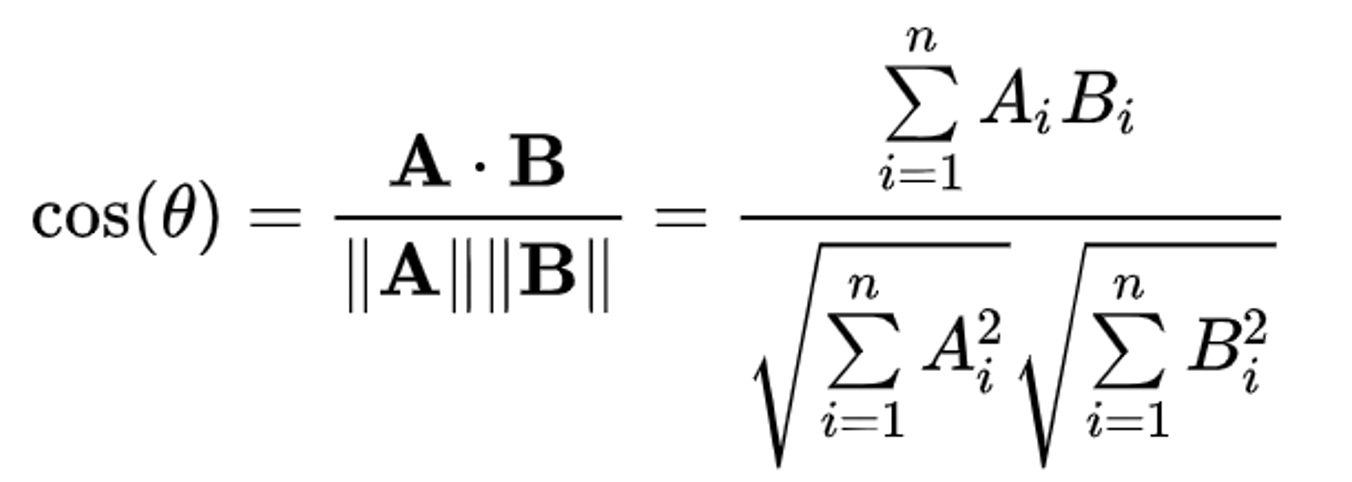
Explanation: Computes the cosine of the angle between vectors representing movies, helping identify closely related films.
5. FastAPI for Backend
Technology Used: FastAPI
Purpose: Build a high-performance backend API to handle frontend requests and interact with machine learning models.
Features:
- Asynchronous Support
- Automatic Documentation via Swagger and ReDoc
- Smooth integration with frontend and dynamic content updates
6. APIs
- Search API: Provides autocomplete suggestions and handles search queries.
- Movie Details API: Fetches detailed information about selected movies.
- Cast Details API: Retrieves detailed information about cast members.
- Recommendations API: Provides a list of recommended movies based on user preferences.
7. Frontend Implementation
Technologies Used: HTML, CSS, JavaScript, Bootstrap
Purpose: Create a responsive and interactive user interface.
Components:
- Search Bar: For user queries with autocomplete.
- Movie Details Section: Displays detailed information about movies.
- Comments and Reviews Section: Shows user reviews.
- Top Cast Members Section: Provides information about notable cast members.
- Recommended Movies Section: Lists movie recommendations.
- Cast Details Modal: Bootstrap modals for additional cast information.
8. Data Storage and Model Persistence
Technology Used: pickle
Purpose: Save models and vectorizers for future use without retraining.
Key Features
Search Functionality
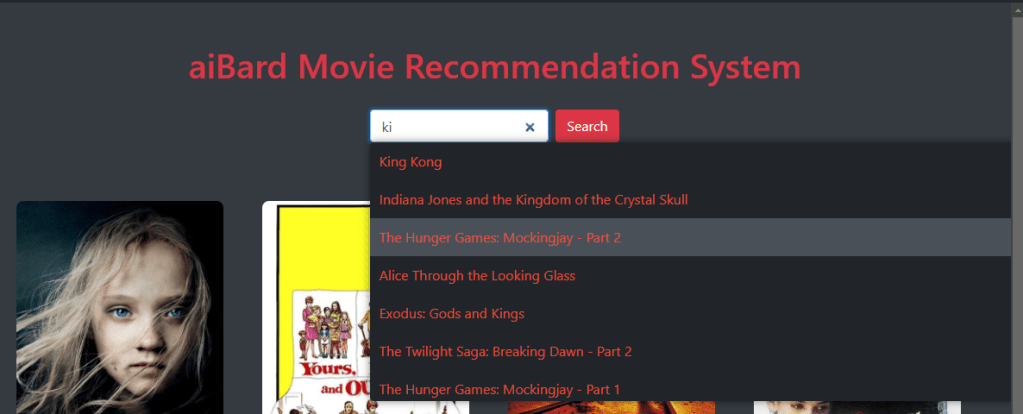
- Autocomplete Suggestions: Dynamic search results reduce typing effort.
- Search Form: Allows users to submit queries and fetch movie details.
Movie Details
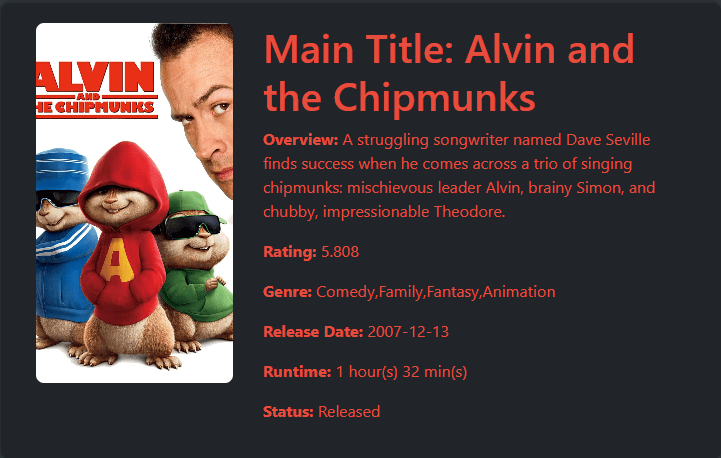
Displays:
- Movie Poster
- Overview
- Rating, Genre, Release Date, Runtime, and Status
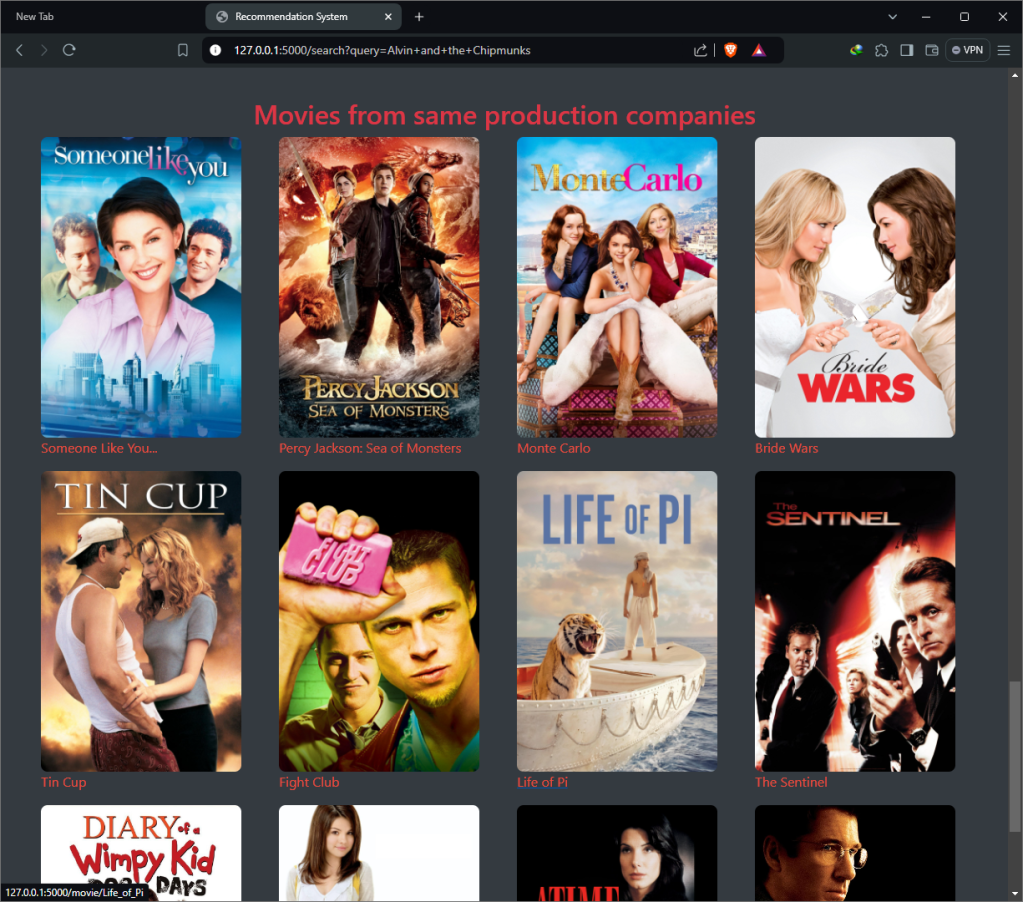
Recommendations
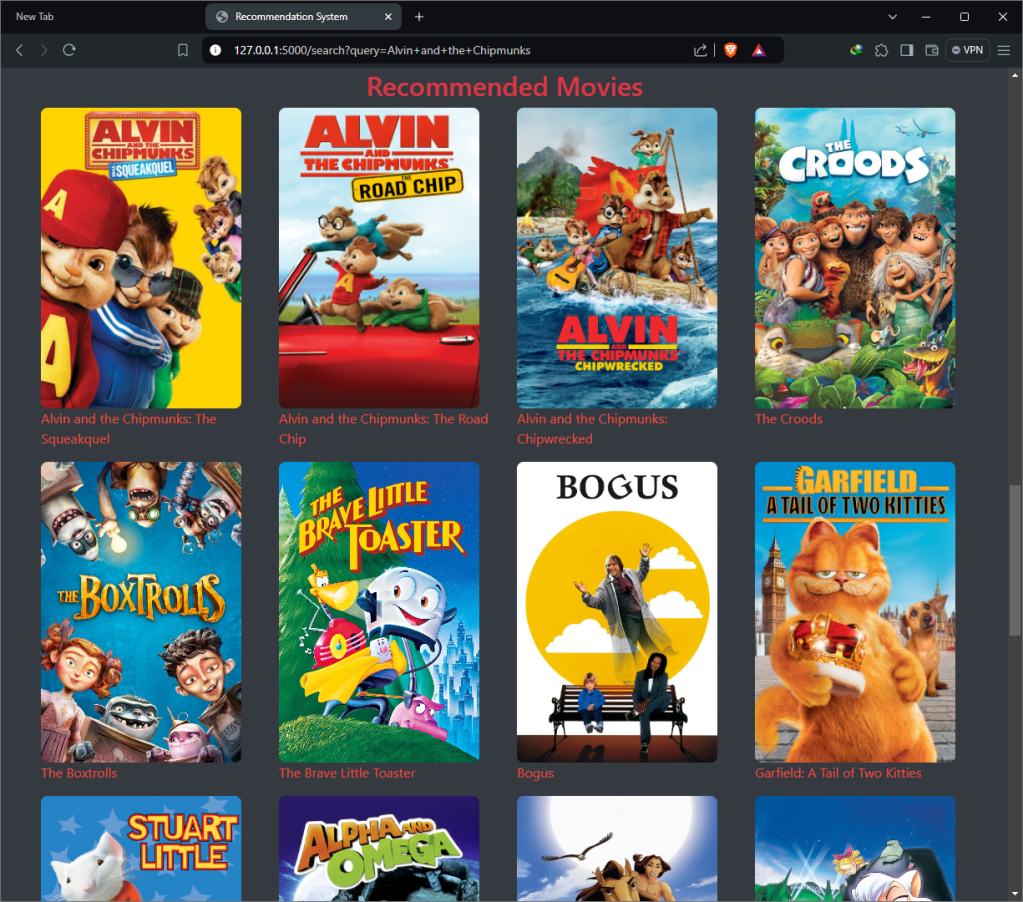
- Top Recommended Movies: Based on user preferences or popular choices.
- Movies from the Same Production Companies: Suggestions for movies from the same companies.
Comments and Reviews
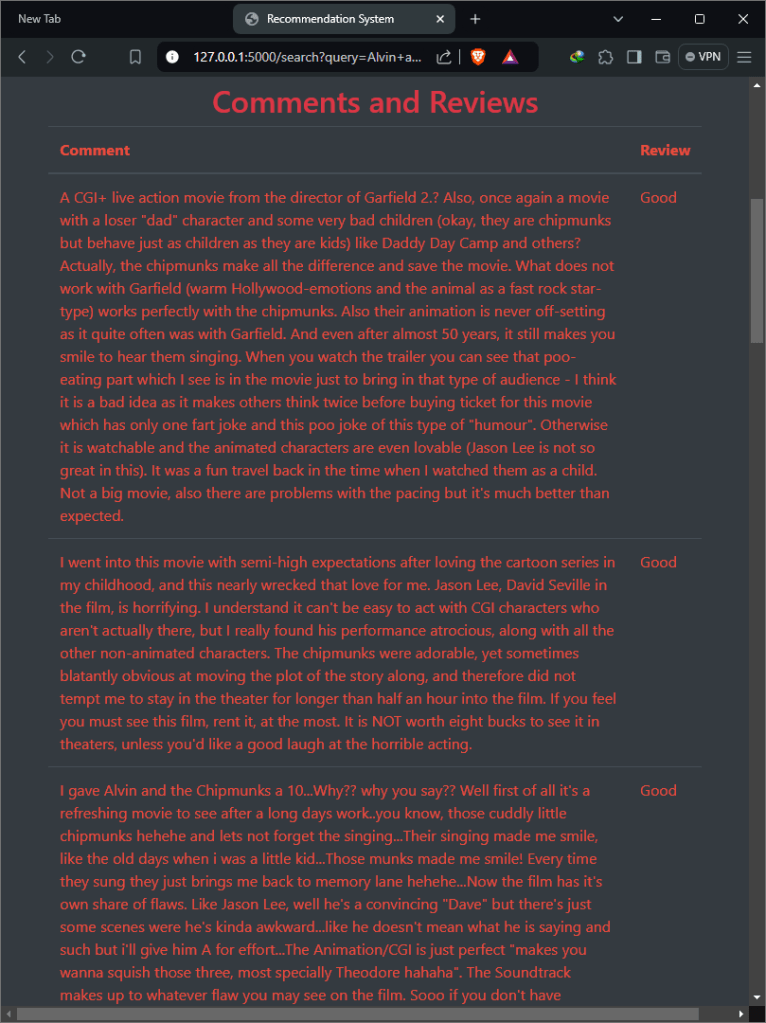
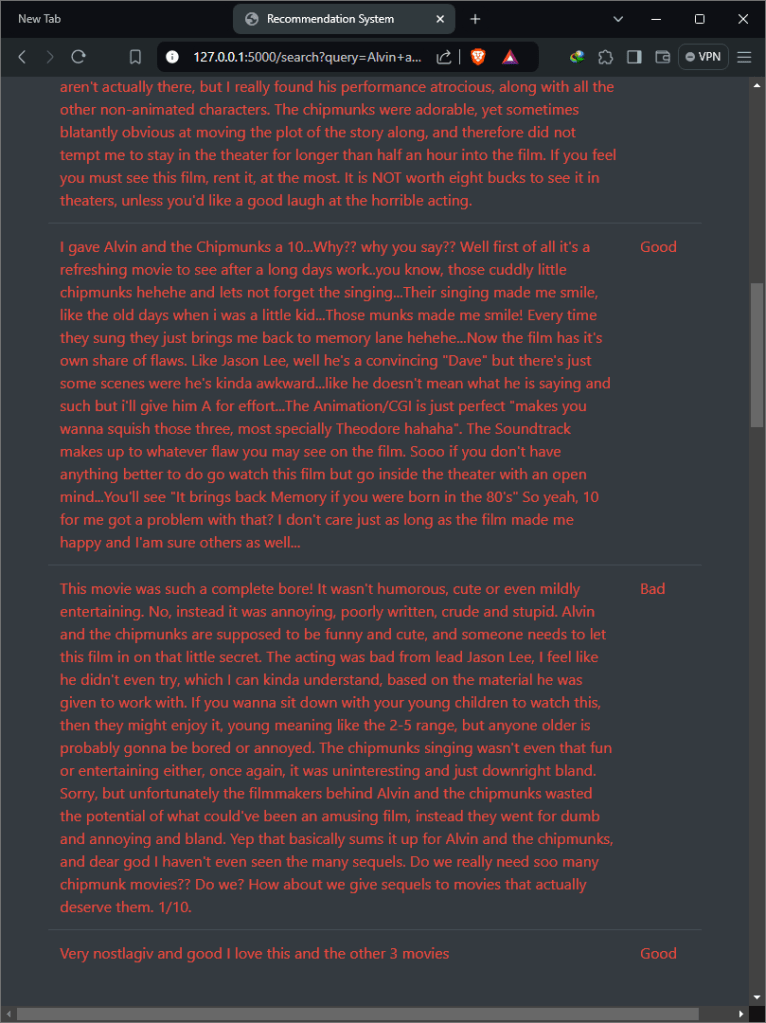
- User Reviews: Displays and allows users to share their opinions.
Top Cast Members
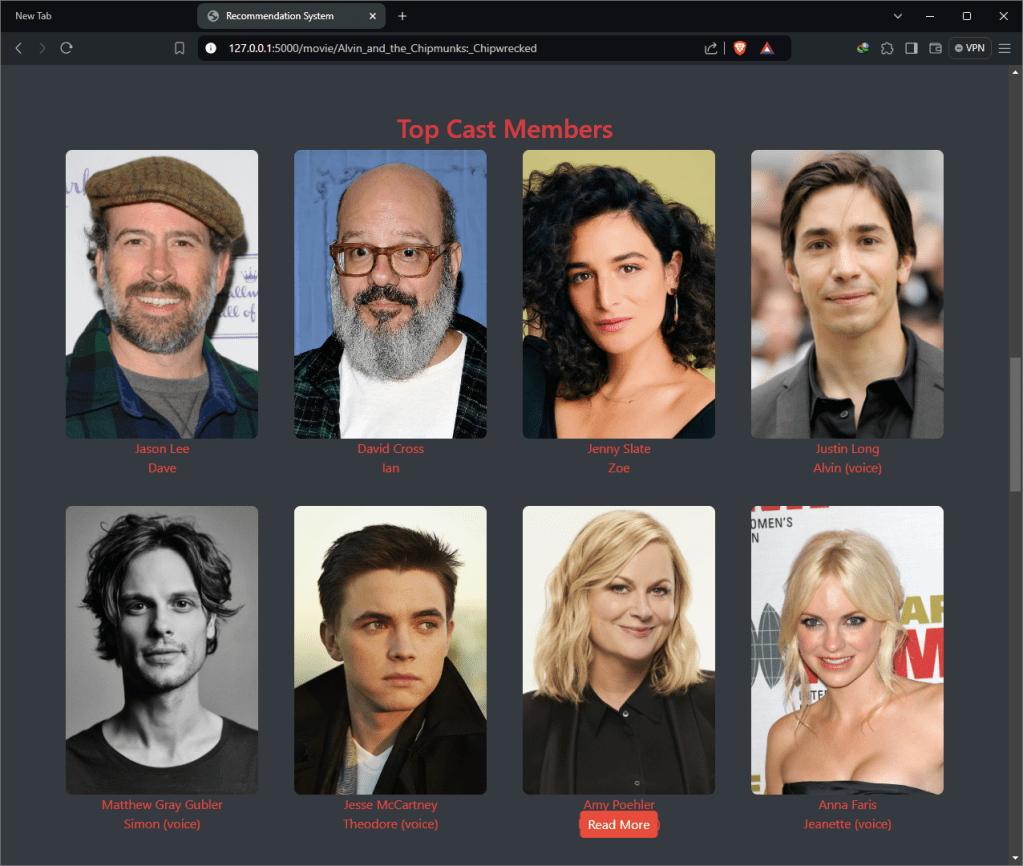
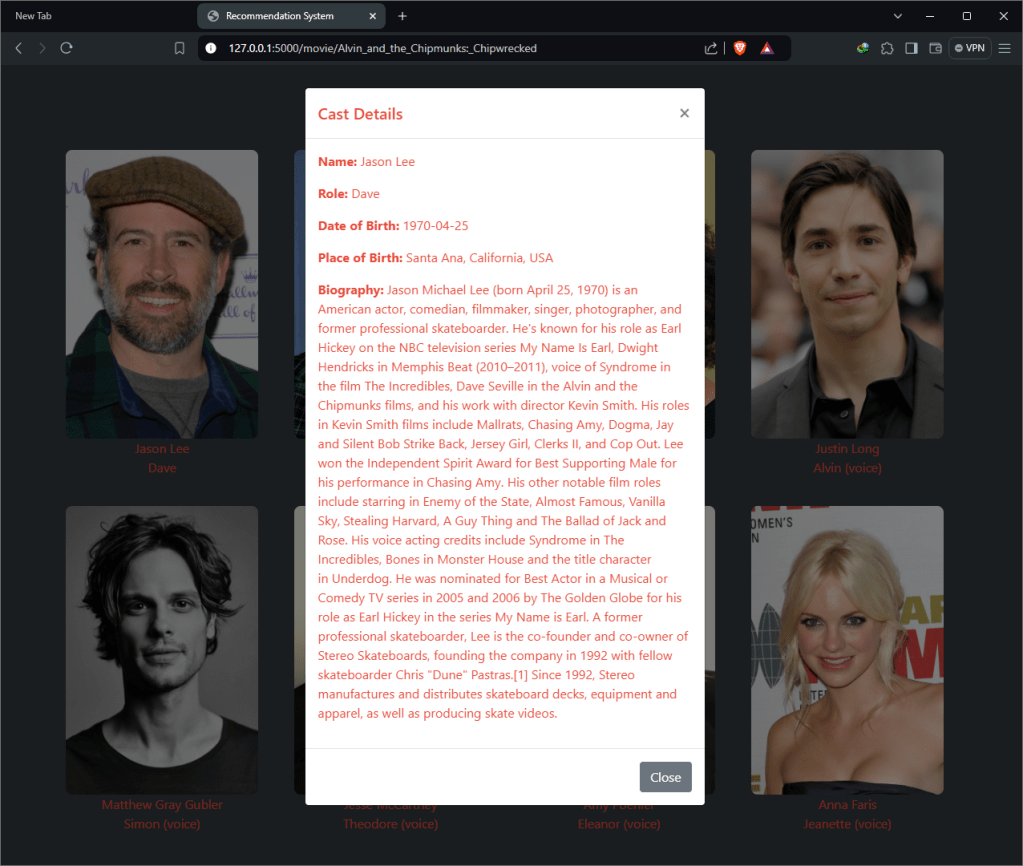
- Cast Information: Highlights top cast members with detailed modals.
Technical Architecture
APIs
- Search API: Handles autocomplete and search queries.
- Movie Details API: Provides detailed movie information.
- Cast Details API: Retrieves cast member information.
- Recommendations API: Delivers personalized movie recommendations.
Models
- Movie Recommendation Model: Utilizes collaborative filtering, content-based filtering, or hybrid approaches.
- Cosine Similarity: Measures movie similarity based on features.
Cosine Similarity Explained
- Vector Representation: Each movie is represented as a feature vector.
- Similarity Calculation: Determines similarity based on the angle between vectors.
Frontend Implementation
HTML Structure
Includes:
- Main Heading
- Search Bar
- Movie Details Section
- Comments and Reviews Section
- Top Cast Members Section
- Recommended Movies Section
- Modal for Cast Details
CSS Styling
- Dark Background and Red Text: Modern look.
- Responsive Design: Adjusts well on different devices.
- Hover Effects: Enhances interactivity.
JavaScript Functionality
- Autocomplete Functionality
- Modal Handling
- Dynamic Content Updates
The aiBard Movie Recommendation System integrates diverse components to offer a comprehensive user experience. By leveraging APIs, advanced models, and dynamic frontend design, it provides personalized movie recommendations, detailed information, and engaging content. This system not only enhances user interaction but also serves as a valuable tool for discovering and exploring movies.
 annonymousAsquare(aiBard)