
Artificial Intelligence (AI) has evolved from a futuristic concept in science fiction to an integral part of our daily lives. From virtual assistants like Siri and Alexa to advanced machine learning algorithms that predict consumer behavior, AI’s impact is undeniable and far-reaching. This blog post explores the fascinating world of AI, its development, applications, and the ethical considerations it brings.
What is Artificial Intelligence?
AI refers to the simulation of human intelligence in machines that are programmed to think and learn like humans. These systems are designed to perform tasks that typically require human intelligence, such as visual perception, speech recognition, decision-making, and language translation.
A Brief History of AI
The concept of AI dates back to ancient myths and stories of artificial beings endowed with intelligence. However, the formal inception of AI as a field of study occurred in 1956 at the Dartmouth Conference, where the term “Artificial Intelligence” was coined. Early AI research focused on problem-solving and symbolic methods, but it faced numerous challenges due to limited computational power and understanding of human cognition.
Key Developments in AI
Machine Learning (ML): ML, a subset of AI, involves the development of algorithms that enable computers to learn from and make decisions based on data. Techniques like supervised learning, unsupervised learning, and reinforcement learning fall under this category. Read more

Deep Learning: A further extension of ML, deep learning uses neural networks with many layers (hence “deep”) to analyze various levels of data abstraction. This has been particularly successful in fields like image and speech recognition. Read more…

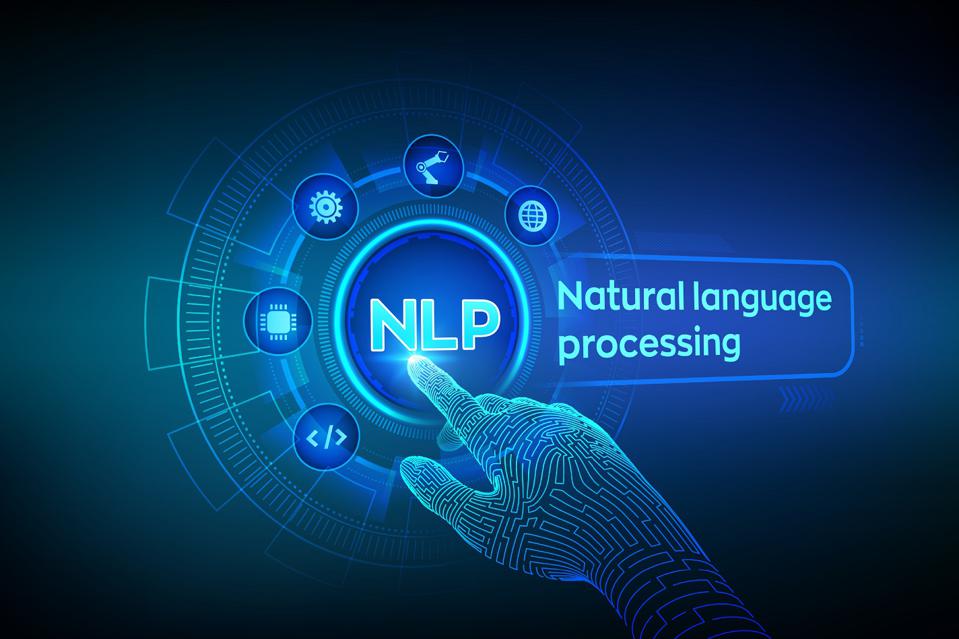
Natural Language Processing (NLP): NLP allows machines to understand and respond to human language. It powers applications such as chatbots, translation services, and sentiment analysis. Read more
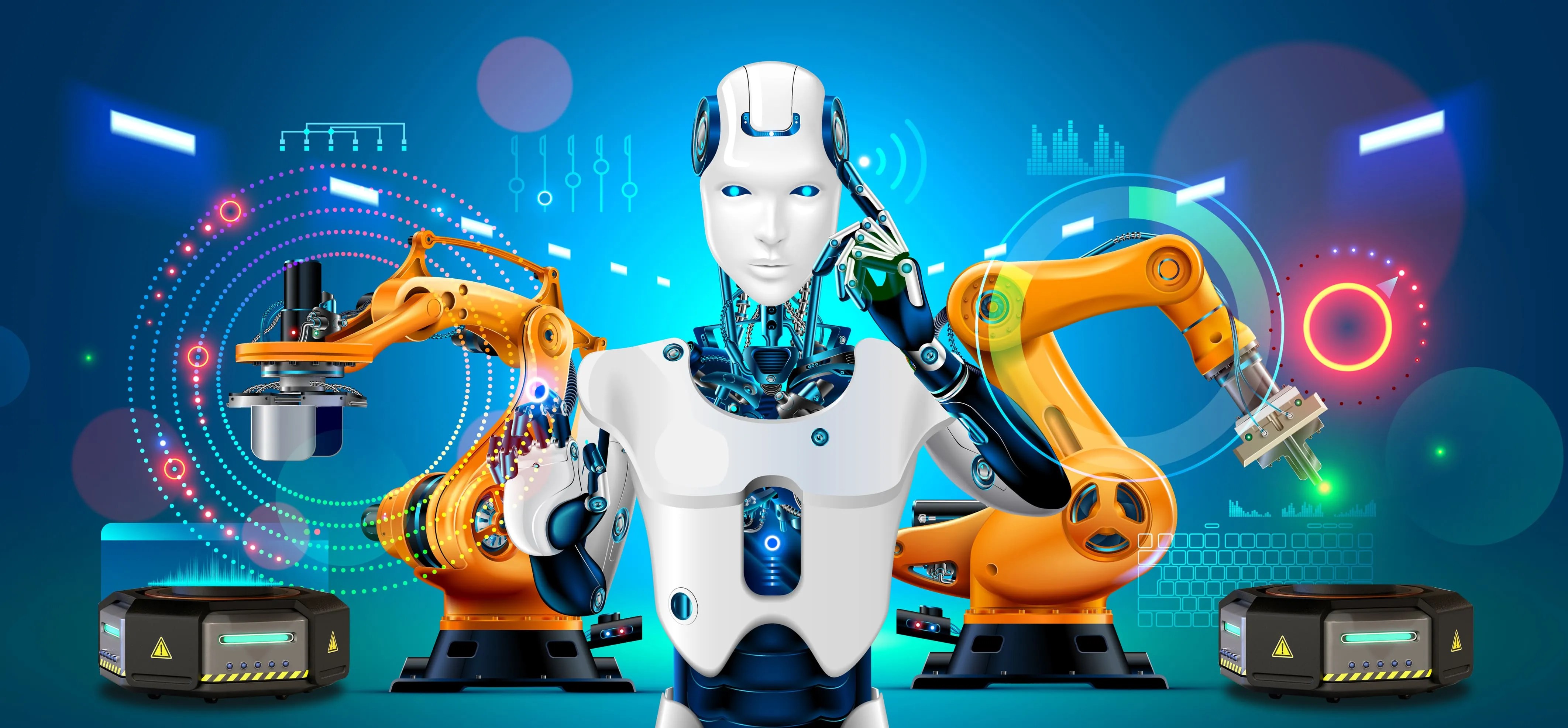
Robotics: AI is a crucial component of modern robotics, enabling machines to perform tasks ranging from industrial manufacturing to delicate surgical procedures. Read more…
Applications of AI
AI’s versatility allows it to be applied across various sectors:
- Healthcare: AI algorithms can analyze medical data, assist in diagnosing diseases, and even suggest treatment options. Robotic surgeries and personalized medicine are other significant contributions.
- Finance: AI aids in fraud detection, algorithmic trading, credit scoring, and personalized banking services.
- Transportation: Autonomous vehicles rely heavily on AI for navigation, obstacle detection, and decision-making processes.
- Entertainment: Streaming services use AI to recommend content based on user preferences, while video games employ AI to create realistic and adaptive gameplay.
- Customer Service: AI-powered chatbots and virtual assistants provide immediate responses and solutions to customer queries, enhancing user experience.
Ethical Considerations and Challenges
As AI continues to grow, so do the ethical dilemmas and challenges associated with it:
- Bias and Fairness: AI systems can inherit biases present in their training data, leading to unfair outcomes. Ensuring fairness and transparency in AI decision-making is crucial.
- Privacy: The vast amount of data used by AI raises concerns about privacy and data security. Regulations and robust cybersecurity measures are necessary to protect sensitive information.
- Job Displacement: Automation and AI could potentially replace human jobs, leading to economic and social disruptions. Preparing the workforce through reskilling and education is vital.
- Accountability: Determining accountability in AI-driven decisions, especially in critical areas like healthcare and law enforcement, is complex and requires clear guidelines.
The Future of AI
The future of AI holds immense potential. Advancements in quantum computing could further accelerate AI capabilities, making systems faster and more efficient. Collaborative efforts between humans and AI, known as augmented intelligence, can enhance productivity and innovation across all fields.
Conclusion
Artificial Intelligence is a powerful tool that continues to reshape our world in unprecedented ways. As we navigate through its possibilities and challenges, a balanced approach that emphasizes ethical considerations, transparency, and inclusivity will ensure that AI serves the greater good. Embracing AI with a mindful perspective will pave the way for a future where technology and humanity can thrive together.
Whether you’re an enthusiast, a skeptic, or somewhere in between, the journey into the world of AI is one that promises to be exciting, transformative, and deeply impactful.
 annonymousAsquare(aiBard)